
How Stress, Sleep & Lifestyle Affect Your Skin (And Treatment for Stressed Skin)
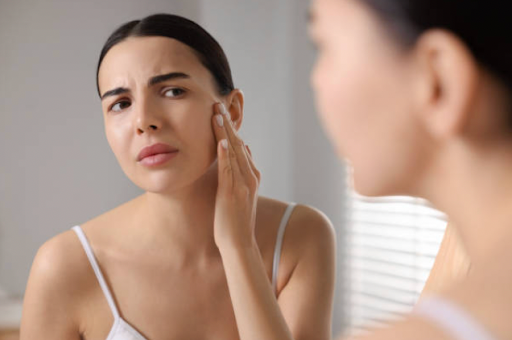
Stress, poor sleep, and everyday habits can all affect how your skin looks, feels, and functions. Changes such as dryness, sensitivity, dullness, congestion, or a generally unbalanced complexion are often linked to more than one factor, which is why it helps to look at the bigger picture rather than one symptom on its own. A consultation-led approach can help identify what’s driving those changes and which treatments or routine adjustments are most appropriate. Alongside professional care, steady habits such as better sleep, hydration, and a simpler skincare routine can support calmer, more resilient skin over time.
Why Your Skin Reflects What’s Happening Internally
Our skin often shows early signs that something’s out of balance. When stress builds, sleep becomes inconsistent, or daily habits stop supporting recovery, the skin can begin to change before the cause feels obvious. Tone may look less even, the surface may feel rougher, and sensitivity can become harder to ignore. This is one reason we look beyond the surface when clients come to us with ongoing concerns.
There’s a close link between stress and skin problems, especially when pressure becomes part of everyday life. Skin doesn’t function on its own. It responds to internal strain, disrupted routines, and changes in the body’s ability to repair and regulate itself.
Understanding Stress And Skin Problems
Stress can affect oil production, hydration levels, and the way skin responds to irritation. For some people, that means congestion and breakouts. For others, it shows up as dryness, redness, or a complexion that feels unsettled without a clear reason. When those shifts persist, skin may become harder to manage with home care alone and may require a more tailored approach.
This is where professional treatments for stressed skin can better support the skin. We take a consultation-first approach so treatment choice is guided by your skin condition, your concerns, and how your skin is behaving at the time of treatment.
What Lack Of Sleep Skin Effects Can Look Like
Sleep is one of the main recovery periods for skin. When sleep quality declines or rest becomes inconsistent, the skin may appear tired, flat, puffy, or less balanced. Some people notice that their skin becomes more reactive, while others feel it looks duller and less even. These changes can build gradually, which is why they are often overlooked at first.
The phrase ‘lack of sleep skin effects’ covers more than tired-looking eyes. Reduced rest can affect how refreshed the skin appears, how well it holds moisture, and how quickly it settles after irritation or a breakout.
The Lifestyle Impact On Skin Health Over Time
Daily habits shape skin more than many people realise. Hydration, food choices, alcohol intake, exercise, stress load, and time spent outdoors all influence how skin behaves over time. You may not notice the effects of a single late night or a single busy week, but repeated patterns can gradually affect texture, clarity, and comfort.
The lifestyle impact on skin health is often cumulative. Small habits repeated often can either support the skin or place it under more pressure. That is why we look at the bigger picture during consultation, especially when skin concerns feel persistent, changeable, or difficult to pin down.
How Your Skin Barrier Responds To Ongoing Pressure
The skin barrier helps hold moisture in and irritants out. When it is functioning well, skin tends to feel calmer, stronger, and more comfortable. When it becomes disrupted, skin may sting more easily, feel dry in patches, or react to products that were once tolerated. Ongoing pressure from stress, poor sleep, dehydration, and overuse of active skincare can all contribute to that shift.
We often see stress and skin problems show up through a weakened barrier. In practice, that can mean skin that feels tight yet oily, flaky yet congested, or generally unsettled. These mixed signs are one reason a personalised treatment plan matters.
Why Hydration, Food, And Movement Still Matter
Professional care can make a real difference, but daily habits still matter. Hydration supports comfort and function. Food choices can influence how well the skin is nourished. Regular movement helps circulation and supports overall wellbeing, which can also affect how skin looks and feels. These factors do not replace treatment, but they do help create better conditions for skin recovery.
The lifestyle impact on skin health becomes clearer when supportive habits are missing for long enough. In some cases, treatments for stressed skin work best when paired with realistic changes that help the skin between appointments.
How Daily Choices Shape Skin Recovery And Resilience
Skin recovery is not only about what happens in the treatment room. It is also shaped by what happens between appointments. Cleansing too aggressively, skipping hydration, pushing through exhaustion, or constantly changing products can all make skin less stable. A steadier routine often gives skin a better chance to settle and respond well over time.
We also see lack of sleep skin effects become more obvious when skin is already under pressure from other factors. This is why we focus on practical advice and treatment matching, rather than treating one symptom and expecting everything else to improve around it.
When Skin Starts Looking Tired, Reactive, Or Unbalanced
When skin starts to look dull, feel sensitive, or behave differently from usual, it is worth paying attention to the pattern. Repeated flare-ups, ongoing dryness, congestion, or a general loss of balance can point to a wider issue rather than a single product problem. We often find that stress and skin problems are part of that pattern, even when they are not the only factor involved.
The lifestyle impact on skin health can also influence which treatment approach makes the most sense. Some clients may benefit from options such as Bespoke Facials, Dermalux LED Therapy, Dermapen Microneedling, or NeoStrata Skin Peels, depending on their skin condition, goals, and response to treatment.
Simple Ways To Support Calmer, Healthier-Looking Skin
A good starting point is to simplify where needed. Avoid overloading the skin, keep routines consistent, protect the barrier, and take signs of fatigue seriously. If you are noticing lack of sleep skin effects alongside sensitivity, dryness, or congestion, it may be time to look at both your routine and your wider habits.
The same applies when treatments for stressed skin are being considered. The right next step is not always the strongest treatment. Often, it is the most appropriate one. A proper consultation helps us assess what your skin needs now, what may be driving the changes, and how to support better skin health over time.
Book a consultation with True Medispa for a treatment plan tailored to turn tired, reactive, or out-of-balance skin into a calmer, stronger, more comfortable complexion.